PDPL enforcement in Saudi Arabia is no longer a theoretical risk. SDAIA is actively reviewing how organizations handle personal data, and 2026 has already brought tighter scrutiny across sectors. So if you run compliance for a Saudi business, you've probably typed "best PDPL compliance software" into Google at least once.
Two names keep showing up: OneTrust and Securiti AI.
Both are serious platforms with serious reputations. But before you sign a six-figure contract, there's something you need to understand. Software alone won't make you PDPL compliant. And for many Saudi businesses, an enterprise platform is the wrong tool for the job entirely.
In this article, we'll break down what OneTrust and Securiti AI actually do for PDPL, where they fall short for KSA-specific requirements, and how to figure out the right approach for your organization. Let's dive in.
What Is OneTrust?
OneTrust is a global privacy, security, and data governance platform built for large enterprises managing multiple regulations at once. Think GDPR, CCPA, PDPL, all in one dashboard.
Here's what it does:
- Data discovery and mapping
- Consent management
- Data Subject Request (DSR) automation
- Breach notification workflows
- Third-party risk management
- AI governance
- Built-in regulatory frameworks, including PDPL KSA
OneTrust has a dedicated PDPL KSA module with built-in control frameworks, automated workflows, and data discovery tools. It's designed for organizations processing huge volumes of personal data across complex environments.
The keyword there is "huge."
What Is Securiti AI?
Securiti AI is a data security and privacy intelligence platform that uses AI to manage personal data across enterprise environments. For PDPL specifically, it offers:
- AI-driven personal data discovery across systems
- Automated DSR fulfillment
- Consent tracking and revocation management
- Data flow mapping and documentation
- Vendor risk assessment
- PDPL readiness assessments with gap identification
- Breach notification workflow automation
Like OneTrust, Securiti AI targets enterprises with complex data environments and the IT muscle to back it up.
What These Platforms Actually Do Well
Let's be fair. Both OneTrust and Securiti AI are genuinely powerful for the right buyer.
They work well if you're a large enterprise running hundreds of data systems. They work well if you're a multinational juggling GDPR, CCPA, and PDPL at the same time. And they work well if you have a dedicated privacy team that knows how to configure and operate the platform.
On the PDPL side specifically, both platforms offer:
- Automated data mapping and Records of Processing Activities (RoPA)
- DSR workflow automation for access, correction, and deletion requests
- Breach detection and 72-hour SDAIA notification workflows
- Cross-border transfer documentation
- Vendor assessment templates
If that sounds like your environment, these platforms can genuinely earn their price tag.
But here's the thing. Most Saudi businesses aren't in that bucket.
Where These Platforms Fall Short for Saudi Businesses
1. The Price Tag Is Brutal
OneTrust and Securiti AI are enterprise-grade platforms with enterprise-grade pricing. We're talking serious licensing fees, implementation costs, and ongoing platform management. For a Saudi SME or mid-market business, the math just doesn't work, especially when your compliance reality doesn't require an enterprise-scale platform in the first place.
You don't buy a fleet management system to track one delivery van.
2. Buying the Software Doesn't Make You Compliant
This is the part most vendors don't advertise. Purchasing OneTrust or Securiti AI does not mean your organization is PDPL compliant. Not even close.
You still need:
- Three to six months of configuration before the platform is operational
- Internal technical resources or external consultants to set it up
- Ongoing management and maintenance
- Staff training to actually use it
- Integration with your existing business systems
A platform sitting half-configured in your tech stack does nothing for SDAIA. They evaluate operational readiness, not software receipts.
3. Technology Can't Replace Human Judgment
PDPL compliance comes down to decisions that no AI can make for you:
- What counts as a valid lawful basis for each processing activity?
- Do your cross-border transfer arrangements actually meet PDPL standards?
- How do you respond to an SDAIA inquiry or audit?
- Is your breach response procedure effective or just documented?
- How do you train staff in ways that actually change behavior?
A platform can give you templates. It can't sit in a meeting with SDAIA's enforcement committee on your behalf.
4. Global Platforms Miss Saudi-Specific Requirements
PDPL has requirements that don't map cleanly onto generic global frameworks:
- NCA Essential Cybersecurity Controls alignment, which is the recognized technical standard under PDPL Article 19
- SAMA Cyber Security Framework considerations for financial services
- Arabic-language documentation in certain contexts
- SDAIA audit response procedures specific to the Kingdom
- Local enforcement patterns and priorities that shape compliance strategy
OneTrust and Securiti AI give you the framework. Local expertise is what gets you across the finish line.
So What Do Saudi Businesses Actually Need?
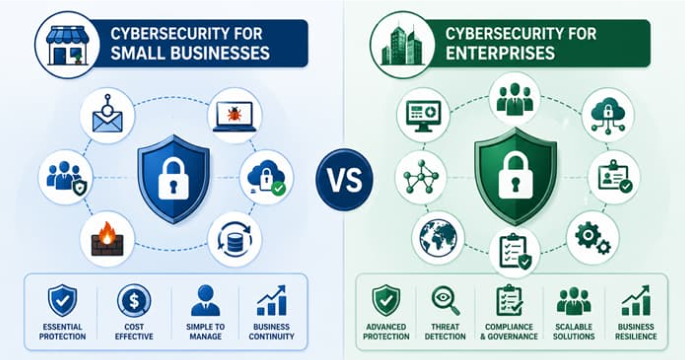
Here's where most companies get this wrong. They treat PDPL like a software problem when it's really an operational and technical problem. The right answer depends entirely on the size and complexity of your business.
If You're a Large Enterprise
If you're running a complex data environment with multiple business units and high volumes of personal data processing, a platform like OneTrust or Securiti AI might genuinely fit. But even then, you still need:
- Expert implementation support to configure it properly
- Local PDPL expertise so Saudi-specific requirements actually get addressed
- Ongoing compliance management beyond the platform itself
The software is the easy part. The expertise around it is what makes it work.
If You're an SME or Mid-Market Business
Most Saudi SMEs and mid-market businesses don't need enterprise compliance software. What you actually need is:
- A PDPL gap assessment to identify where you're exposed
- Expert guidance to close those gaps systematically
- Technical security controls aligned with NCA ECC
- A documented breach response plan
- Staff training that changes behavior, not just ticks a box
- A qualified DPO or designated compliance contact
- Ongoing support as PDPL enforcement evolves
That combination delivers real compliance without the enterprise software bill.
OneTrust vs Securiti AI vs Compliance Services
| Aspect | OneTrust | Securiti AI | CyberRT Compliance Services |
| Type | Software platform | Software platform | Expert compliance services |
| Best for | Large enterprises | Large enterprises | SMEs to large organizations |
| PDPL framework | Built-in templates | Built-in templates | Saudi-specific expertise |
| Implementation | 3-6 months | 3-6 months | Faster, tailored approach |
| NCA ECC alignment | Generic guidance | Generic guidance | Direct implementation |
| SDAIA audit support | Documentation tools | Documentation tools | Active advisory support |
| DPO function | Tool support only | Tool support only | DPO-as-a-Service available |
| Cost model | Enterprise licensing | Enterprise licensing | Scalable service model |
| Local expertise | Global platform | Global platform | Saudi Arabia focused |
How to Choose the Right Approach
So which path makes sense for you? It comes down to a few honest questions.
Go with a compliance platform if:
- You process personal data across 50+ systems
- You have a dedicated privacy or compliance team
- You're managing multiple international regulations at once
- You have the IT resources to implement and maintain it
- Enterprise licensing fits comfortably in your budget
Go with compliance services if:
- You're an SME or mid-market business
- You need PDPL compliance done quickly and cost-effectively
- You don't have internal privacy expertise on the bench
- You need a DPO function without hiring a full-time one
- You want Saudi-specific guidance, not global templates
- You need NCA ECC-aligned technical controls, not just documentation tools
For a lot of Saudi organizations, the smartest play is a hybrid. Use compliance services to build the foundation and close your gaps. Then, once your compliance program is mature enough to actually use technology effectively, layer in tools where they make sense.
Buying the tool first and figuring out the program later is how you end up with a dashboard worth thousands of dollars nobody knows how to operate.
How CyberRT Helps Saudi Businesses Get Compliant
CyberRT provides cybersecurity and compliance services built specifically for organizations operating in Saudi Arabia. We're not a software platform. We're the team that gets you to the finish line.
Our PDPL services include:
- PDPL gap assessment: a full review of your data handling, security controls, vendor relationships, and documentation against PDPL requirements
- DPO-as-a-Service: qualified data protection officer support without the cost of a full-time hire or enterprise platform
- NCA ECC-aligned technical controls: Implementation of technical and organizational security measures aligned with Saudi cybersecurity best practices and supporting PDPL Article 19 compliance.
- Breach response planning: documented procedures for detection, containment, and 72-hour SDAIA notification
- Staff awareness training: PDPL-specific training for the people who actually handle personal data day to day
Saudi-focused, SDAIA-aware, and built for businesses that need real compliance, not just a software license.
Frequently Asked Questions
Q1: Does OneTrust support PDPL KSA compliance?
Yes. OneTrust has a dedicated PDPL KSA module with built-in control frameworks and automated workflows. But the platform takes serious effort to implement and is designed for large enterprises with complex data environments and dedicated privacy teams.
Q2: Is Securiti AI suitable for Saudi businesses?
Securiti AI offers AI-driven PDPL capabilities including data discovery and DSR automation. Like OneTrust, it fits best for larger organizations with significant data volumes and the internal technical resources to run it.
Q3: Do I need compliance software to be PDPL compliant?
No. PDPL compliance is about operational readiness, which means documented processes, technical controls, trained staff, and a real breach response plan. Software supports compliance but isn't required. Plenty of Saudi SMEs reach full PDPL compliance through expert services alone.
Q4: What's the difference between OneTrust and a compliance services provider?
OneTrust is a platform. It gives you tools to manage compliance workflows. A compliance services provider gives you expertise, implementation, and advisory support. Software still needs people to operate it. Services bring the people.
Q5: How does CyberRT differ from OneTrust and Securiti AI for PDPL compliance?
CyberRT is a Saudi Arabia-focused compliance services provider, not a software platform. We deliver PDPL gap assessments, DPO-as-a-Service, NCA ECC-aligned technical controls, and breach response planning, all tailored to SDAIA enforcement priorities and Saudi-specific requirements. Without the enterprise software bill.