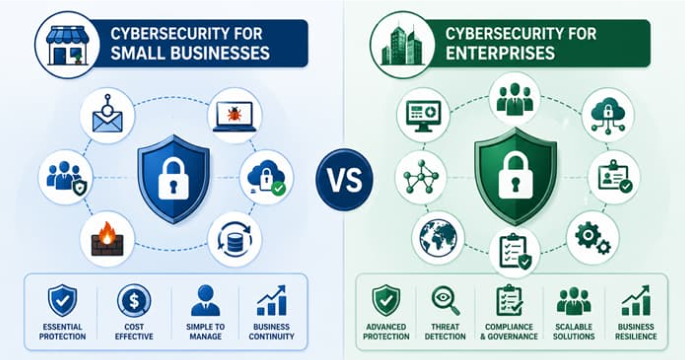
In today’s digital environment, businesses rely on cloud platforms, remote work systems, applications, and connected infrastructure to operate efficiently. While this improves flexibility and growth, it also increases exposure to cyber threats such as ransomware, phishing, and unauthorized access.
Managing these risks is no longer simple. Cybersecurity requires continuous monitoring, fast response, and expert analysis. However, many organizations lack the resources or expertise to handle security internally at scale.
This is where a managed security service provider (MSSP) can become highly valuable. An MSSP helps businesses monitor threats, detect suspicious activity, and protect systems through ongoing security operations.
This guide explains what a managed security service provider does, how it works, and why it plays a critical role in modern cybersecurity.
What Is a Managed Security Service Provider (MSSP)?
A managed security service provider is a company that delivers outsourced cybersecurity services to businesses. Instead of building a full in-house security team, organizations rely on an MSSP to manage their security operations.
An MSSP typically handles:
- continuous monitoring of systems
- threat detection and analysis
- incident response support
- management of security tools
In simple terms, an MSSP acts as an external security team that works alongside your business to maintain ongoing protection.
Why Businesses Need a Managed Security Service Provider
Cyber threats are constant and increasingly complex. Organizations face attacks that target systems, users, and processes at multiple levels.
Businesses need an MSSP because:
- security requires 24/7 monitoring
- internal teams may lack expertise
- threats evolve rapidly
- response time is critical
- building a full SOC is expensive
Without proper monitoring, threats can go undetected for long periods, increasing the risk of data breaches and operational disruption.
Core Role of a Managed Security Service Provider
The main role of an MSSP is to provide continuous security coverage and reduce risk across the organization.
Key responsibilities include:
- monitoring systems and activity
- detecting threats as quickly as possible through continuous monitoring
- analyzing security alerts
- supporting incident response
- improving overall security posture
An MSSP focuses on proactive security rather than waiting for incidents to occur.
What Does an MSSP Do? (Step-by-Step Process)

A managed security service provider follows a structured process to protect business systems.
Initial Security Assessment
The first step is understanding the organization’s environment. This includes reviewing systems, identifying vulnerabilities, and analyzing risks.
This step helps define the security strategy and ensures that protection is aligned with business needs.
Onboarding and Setup
After assessment, the MSSP deploys security tools and connects systems for monitoring.
This includes:
- integrating logs and endpoints
- configuring alerts
- setting up visibility across systems
Proper setup ensures accurate monitoring from the start.
Continuous Security Monitoring
Monitoring is one of the most critical functions of an MSSP.
The provider continuously tracks:
- system activity
- user behavior
- network traffic
- security events
This helps identify suspicious activity before it becomes a serious incident.
Threat Detection and Analysis
Not all alerts are real threats. MSSPs analyze events to identify which ones require attention.
They:
- investigate alerts
- filter false positives
- identify real risks
This reduces noise and ensures focus on actual threats.
Incident Response Support
When a threat is confirmed, the MSSP helps manage the response.
Depending on the contract, this may include:
- alert escalation
- containment guidance
- recovery support
Fast response minimizes damage and downtime.
Reporting and Optimization
MSSPs provide regular reports that help businesses understand their security posture.
Reports typically include:
- detected threats
- system activity insights
- risk trends
- improvement recommendations
This supports continuous security improvement.
Key Services Provided by an MSSP
An MSSP delivers multiple cybersecurity services as part of a complete security strategy.
Security Monitoring
Continuous monitoring of logs, systems, and networks to detect suspicious activity in real time.
Threat Detection
Identifying potential attacks using advanced tools and threat intelligence.
Endpoint Protection
Securing devices such as laptops, servers, and mobile systems from malware and unauthorized access.
Network Security
Protecting network infrastructure through firewalls, traffic monitoring, and intrusion detection.
Cloud Security
Monitoring and securing cloud environments, including access control and configurations.
Vulnerability Management
Identifying and prioritizing security weaknesses so they can be fixed before exploitation.
Incident Response
Helping organizations respond quickly to security incidents and reduce impact.
Compliance Support
Assisting with regulatory requirements by providing documentation, reporting, and security controls.
MSSP vs SOC (Security Operations Center)
An MSSP and a SOC are closely related but not the same.
- A SOC is a function or team responsible for monitoring and responding to threats
- An MSSP is a provider that delivers SOC capabilities as a service
In many cases, businesses use an MSSP to access SOC functionality without building one internally.
MSSP vs Managed Cybersecurity Services
These terms are often confused.
- Managed cybersecurity services refer to the overall service model
- MSSP refers to the provider delivering those services
In simple terms, an MSSP is the company that provides managed cybersecurity services.
Benefits of Working With an MSSP
Organizations gain several advantages by working with a managed security service provider.
24/7 Monitoring
Continuous monitoring ensures threats are detected at any time, not just during business hours.
Faster Threat Detection
Early detection reduces the chance of successful attacks.
Reduced Internal Workload
Internal teams can focus on business operations instead of handling all security tasks.
Access to Expertise
MSSPs provide skilled security professionals without the need to hire internally.
Cost Efficiency
Outsourcing security is often more cost-effective than building a full internal team.
Scalability
Services can grow as the business expands.
Challenges Without an MSSP
Organizations that do not use an MSSP often face:
- limited visibility into threats
- delayed detection
- lack of expertise
- inconsistent monitoring
- slow incident response
These gaps increase overall security risk.
Who Should Use an MSSP
Different types of businesses can benefit from MSSPs.
Small Businesses
- limited resources
- no dedicated security team
Mid-Sized Companies
- growing infrastructure
- increasing risk exposure
Enterprises
- complex systems
- need for continuous monitoring
High-Risk Industries
- finance
- healthcare
- SaaS
- eCommerce
What to Look for in a Managed Security Service Provider
Choosing the right MSSP is critical.
Key Factors
- 24/7 monitoring capability
- proven experience
- clear incident response process
- reporting transparency
- defined SLAs
- scalability
- customization options
Important Questions
- Do you provide continuous monitoring?
- How quickly do you respond to incidents?
- What type of reports do you deliver?
- Can services scale with business growth?
How MSSPs Support Security Monitoring
Security monitoring is a core function of an MSSP.
They support monitoring through:
- log analysis
- real-time alerts
- behavior tracking
- threat intelligence
- continuous visibility
This ensures organizations always have insight into their security environment.
Cost of MSSP Services
The cost of MSSP services depends on several factors:
- number of users and devices
- monitoring scope
- data volume
- cloud usage
- compliance requirements
- level of service (24/7 or limited)
Businesses should focus on value rather than cost alone.
Future of Managed Security Service Providers
MSSPs are evolving as cyber threats become more advanced.
Key trends include:
- AI-driven threat detection
- automated response systems
- continuous monitoring
- cloud-first security models
- integration with advanced analytics
These changes are making MSSPs more efficient and effective.
Conclusion
A managed security service provider plays a critical role in modern cybersecurity by helping businesses monitor threats, detect risks, and respond effectively.
Instead of relying only on internal teams, organizations can benefit from continuous monitoring, expert support, and scalable protection.
As cyber threats continue to grow, working with an MSSP is no longer just an option. It is a strategic decision that helps businesses strengthen security, reduce risk, and maintain long-term resilience.
Frequently Asked Questions
Q1. What does a managed security service provider do?
An MSSP monitors systems, detects threats, and supports incident response on an ongoing basis.
Q2. What is the role of an MSSP?
The role of an MSSP is to provide continuous security monitoring and protection for business systems.
Q3. Do small businesses need an MSSP?
Yes, especially if they lack internal security expertise.
Q4. Is MSSP the same as SOC?
No, a SOC is a function, while an MSSP provides SOC services.
Q5. What services does an MSSP provide?
MSSPs commonly provide monitoring, threat detection, alert analysis, and security management services, and may also provide incident response support depending on scope.