In today’s digital-first environment, businesses rely heavily on cloud platforms, remote work tools, connected systems, and online applications. While this brings efficiency and scalability, it also increases exposure to cyber threats such as ransomware, phishing attacks, credential theft, and data breaches.
Many organizations struggle to keep up with these evolving threats because cybersecurity is no longer a one-time setup. It requires continuous monitoring, rapid response, and ongoing improvement. However, not every business has the resources to build and maintain a full in-house security team.
This is where managed cybersecurity services play a critical role.
Managed cybersecurity services provide businesses with ongoing protection, monitoring, and expert support through a specialized external provider. Instead of reacting after incidents occur, businesses can detect threats early, respond faster, and strengthen their overall security posture.
In this guide, we will explain what managed cybersecurity services are, how they work, what they include, and how businesses can choose the right managed security provider (MSSP) to support their security operations.
What Are Managed Cybersecurity Services?
Managed cybersecurity services are outsourced security solutions where an external provider monitors, manages, and protects a business’s digital environment on an ongoing basis.
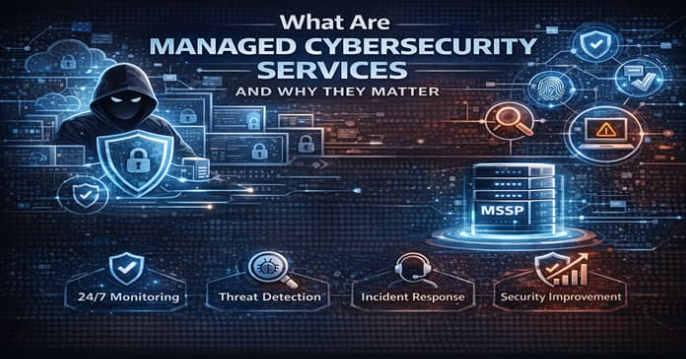
Instead of relying only on internal IT teams, businesses partner with a managed security provider (MSSP) to handle key security functions such as monitoring, threat detection, and incident response.
What does “managed” mean?
In cybersecurity, “managed” means:
- continuous monitoring of systems and activity
- ongoing threat detection and analysis
- active management of security tools and controls
- support during security incidents
- regular reporting and improvement recommendations
What is an MSSP?
An MSSP (Managed Security Service Provider) is a company that delivers managed cybersecurity services. These providers offer expertise, tools, and 24/7 monitoring to help businesses maintain strong security without building everything internally.
Why Managed Cybersecurity Services Matter
Cyber threats are constant and increasingly sophisticated. Businesses are no longer dealing with simple attacks. Instead, they face targeted threats that can bypass traditional defenses.
Managed cybersecurity services matter because they help organizations:
- detect threats in real time
- reduce response time during incidents
- improve visibility across systems and users
- strengthen overall security posture
- avoid relying only on reactive security
For many businesses, especially small and mid-sized ones, managed services provide enterprise-level security without the cost of building a full internal team.
How Managed Cybersecurity Services Work

Managed cybersecurity follows a structured and ongoing process.
1. Initial Assessment
- review current systems and infrastructure
- identify risks and vulnerabilities
- understand business operations and priorities
2. Onboarding and Setup
- deploy monitoring tools
- connect endpoints, logs, and systems
- configure alerts and visibility
3. Continuous Monitoring
- track system activity 24/7
- detect suspicious behavior
- analyze alerts and events
4. Threat Detection and Response
- investigate security alerts
- identify real threats vs false positives
- escalate and guide response actions
5. Reporting and Improvement
- provide regular security reports
- highlight risks and trends
- recommend improvements
What Is Included in Managed Cybersecurity Services?
Managed cybersecurity services usually include multiple layers of protection.
Security Monitoring Services
- log monitoring
- alert tracking
- system activity visibility
Threat Detection and Response
- real-time threat identification
- alert investigation
- response guidance
Endpoint Security Management
- device protection
- malware detection
- endpoint monitoring
Network Security Management
- firewall monitoring
- intrusion detection
- traffic analysis
Cloud Security Monitoring
- cloud configuration checks
- access monitoring
- activity tracking
Vulnerability Management
- regular scanning
- risk prioritization
- remediation tracking
Incident Escalation
- severity-based alert handling
- escalation workflows
- response coordination
Reporting and Dashboards
- security performance insights
- threat trends
- executive summaries
Compliance Support
- audit readiness
- documentation support
- control visibility
Security Recommendations
- improvement guidance
- risk reduction strategies
- long-term planning
Managed Cybersecurity Services vs Traditional IT Support

Many businesses confuse IT support with cybersecurity services, but both serve different purposes.
IT Support Focuses On:
- fixing technical issues
- maintaining systems
- supporting users
Managed Cybersecurity Focuses On:
- preventing cyber attacks
- detecting threats
- protecting sensitive data
- responding to incidents
In short: IT keeps systems running, while cybersecurity keeps them secure.
Managed Cybersecurity Services vs In-House Security Team
Businesses often choose between building an internal team or outsourcing security.
In-House Security Team
- full internal control
- strong understanding of internal systems
- higher cost (hiring, tools, training)
- limited coverage (often business hours only)
Managed Cybersecurity Services
- access to expert security teams
- 24/7 monitoring
- faster deployment
- scalable support
- cost-effective for most businesses
Best Approach
Many organizations use a hybrid model, combining internal teams with an MSSP.
Who Needs Managed Cybersecurity Services?
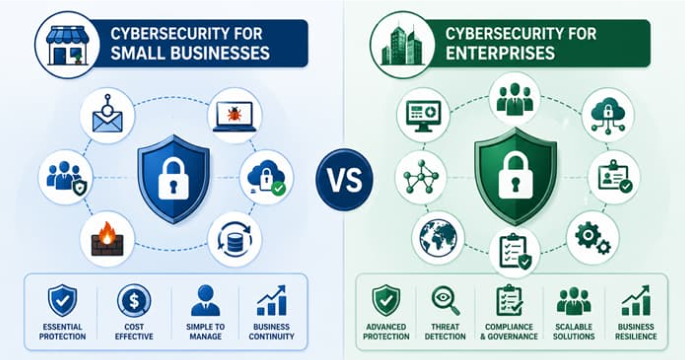
Small Businesses
- no dedicated security team
- need affordable protection
Mid-Sized Companies
- growing systems and risks
- need structured monitoring
Enterprises
- complex infrastructure
- need scalable security operations
High-Risk Industries
- healthcare
- finance
- SaaS
- eCommerce
- legal
- manufacturing
Benefits of Managed Cybersecurity Services
Businesses gain several key advantages:
- 24/7 monitoring of systems and activity
- faster threat detection and response
- reduced workload for internal teams
- access to expert security professionals
- better visibility into risks
- scalable protection as business grows
- improved compliance readiness
- cost savings vs building a full SOC
Common Threats Managed Cybersecurity Services Address
Managed cybersecurity services help protect against:
- phishing attacks
- ransomware
- malware infections
- insider threats
- credential theft
- business email compromise
- unauthorized access
- cloud misuse
- suspicious login activity
What Businesses Should Look for in a Managed Security Provider
Choosing the right managed security provider (MSSP) is critical.
Key factors to evaluate:
- 24/7 monitoring availability
- experience and expertise
- clear incident response process
- reporting quality and transparency
- response time (SLA)
- scalable services
- customization options
- communication and support
Questions to ask:
- Do you monitor systems 24/7?
- How do you handle incidents?
- What reporting do you provide?
- Can services scale with our business?
Signs Your Business Needs Managed Cybersecurity Services
You likely need managed cybersecurity if:
- you don’t have a dedicated security team
- alerts are not reviewed consistently
- visibility across systems is limited
- your business is growing quickly
- compliance requirements are increasing
- remote work has expanded
- previous security incidents have occurred
Challenges Without Managed Cybersecurity
Without proper managed security, businesses face:
- delayed threat detection
- alert overload and missed risks
- limited expertise
- inconsistent monitoring
- poor incident response
- security blind spots
- difficulty scaling protection
How MSSPs Support Security Operations
An MSSP acts as an extension of your internal team by:
- monitoring systems continuously
- analyzing threats
- supporting incident response
- providing expert insights
- improving overall security maturity
Cost Factors of Managed Cybersecurity Services
Pricing depends on:
- number of users and endpoints
- monitoring scope
- log/data volume
- cloud and infrastructure size
- compliance requirements
- service level (24/7 vs limited)
Best Practices for Getting Value from Managed Cybersecurity
To maximize results:
- define clear scope and expectations
- align services with business risks
- review reports regularly
- maintain internal ownership
- improve access controls
- train employees on security awareness
- reassess needs as business grows
Future of Managed Cybersecurity Services
Cybersecurity is evolving rapidly.
Key trends include:
- AI-driven threat detection
- automated monitoring and response
- continuous risk evaluation
- cloud-first security models
- stronger integration with compliance
- risk-based security strategies
Conclusion
Managed cybersecurity services help businesses move from reactive security to a proactive, continuous protection model. Instead of relying on limited internal resources, organizations can benefit from expert support, real-time monitoring, and faster response to threats.
As cyber risks continue to grow, businesses need more than basic protection. They need structured, scalable, and ongoing security operations.
By choosing the right managed security provider (MSSP), organizations can strengthen their defenses, improve visibility, and build long-term resilience in an increasingly complex threat landscape.
Frequently Asked Questions
Q1: What are managed cybersecurity services?
They are outsourced security services that provide continuous monitoring, threat detection, and protection.
Q2: What does an MSSP do?
An MSSP monitors systems, detects threats, and supports incident response.
Q3: Are managed cybersecurity services available 24/7?
Many providers offer 24/7 monitoring and response.
Q4: Do small businesses need managed cybersecurity?
Yes, especially if they lack internal security expertise.
Q5: What is included in security monitoring services?
Monitoring logs, alerts, system activity, and detecting suspicious behavior.