As organizations in Saudi Arabia continue to adopt digital systems, the volume of personal data being collected is increasing rapidly. From customer records to employee data, businesses now handle sensitive information on a daily basis. This makes PDPL compliance essential.
However, many organizations are unsure where to start. The requirements can feel complex without a structured approach. This is where a PDPL checklist becomes useful.
A well-defined compliance checklist helps businesses understand what needs to be done. It breaks down requirements into simple, actionable steps and makes compliance easier to manage.
Using a checklist also helps identify gaps, improve data handling practices, and ensure regulatory readiness. Instead of guessing, organizations can follow a clear path toward compliance.
This checklist is designed to help Saudi organizations prepare for data protection compliance in a simple and practical way.
What Is a PDPL Checklist?
Definition
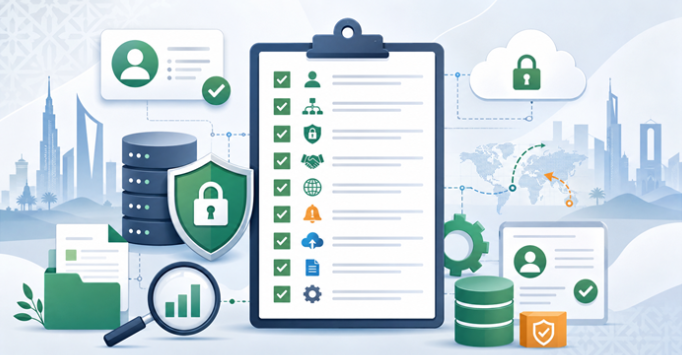
A PDPL checklist is a structured list of tasks that helps organizations comply with Saudi data protection requirements. It breaks down complex legal obligations into clear and actionable steps.
Instead of dealing with technical or legal complexity, businesses can use this checklist to understand what needs to be implemented to handle personal data responsibly.
Purpose
The purpose of a compliance checklist is to simplify PDPL implementation and ensure nothing is missed.
It helps organizations to:
- Understand key compliance requirements
- Identify gaps in current processes
- Organize data protection efforts
- Prepare for audits and regulatory checks
By using a PDPL checklist, businesses can move from uncertainty to a clear compliance strategy.
How to Use This PDPL Checklist
A PDPL checklist should be used as a practical tool, not just a reference document. Organizations can apply it in the following ways:
Use as an Internal Audit Tool
Review each checklist item to assess current compliance status. This helps identify weak areas in data protection practices.
Assign Responsibility
Each checklist item should be assigned to the relevant team, such as IT, HR, or operations. This ensures accountability and proper execution.
Track Progress
Mark tasks as completed, in progress, or pending. This gives a clear view of compliance readiness and helps prioritize actions.
Update Regularly
Compliance is ongoing. The checklist should be reviewed and updated regularly as systems, processes, or regulations change.
Complete PDPL Compliance Checklist
Below is a practical PDPL checklist that Saudi organizations can use to prepare for compliance. Each step focuses on a key requirement under data protection regulations.
Data Inventory and Mapping
Organizations must first understand what personal data they collect and how it flows within their systems.
Checklist:
- Identify all types of personal data collected
- Document data sources such as websites, CRM, HR systems
- Map how data moves across departments
- Track where data is stored
This step provides full visibility and is the foundation of any compliance checklist.
Lawful Basis and Consent
Every organization must have a valid reason for processing personal data.
Checklist:
- Define lawful basis for each data activity
- Implement clear consent mechanisms
- Ensure consent is specific and informed
- Store and track consent records
Without proper consent or legal basis, data processing may violate PDPL requirements.
Privacy Policy and Transparency
Organizations must clearly inform users about how their data is used.
Checklist:
- Update privacy policy with clear language
- Explain what data is collected and why
- Disclose third-party data sharing
- Provide contact details for data queries
Transparency is a key requirement under PDPL.
Data Subject Rights Management
Businesses must enable individuals to control their personal data.
Checklist:
- Provide the Right to be informed
- Right to access
- Right to obtain data in a readable and clear format
- Right to correction / completion / updating
- Right to request destruction
- Right to withdraw consent where applicable
Organizations should have a process to handle these requests efficiently.
Data Minimization
Only necessary data should be collected.
Checklist:
- Review all data collection forms
- Remove unnecessary fields
- Limit data collection to specific purposes
This reduces risk and improves compliance.
Data Retention Policy
Personal data should not be stored indefinitely.
Checklist:
- Define retention periods
- Classify data based on usage
- Securely delete outdated data
Proper retention policies reduce exposure to data risks.
Security Controls
Organizations must protect personal data from breaches.
Checklist:
- Implement access control systems
- Use encryption for sensitive data
- Monitor systems for threats
- Secure storage environments
Strong security is essential for compliance.
Vendor and Third-Party Compliance
Third-party vendors must also meet PDPL requirements.
Checklist:
- Review vendor agreements
- Include data protection clauses
- Assess vendor security practices
- Monitor third-party data usage
Organizations remain responsible for vendor-related risks.
Cross-Border Data Transfers
Transferring data outside Saudi Arabia requires safeguards.
Checklist:
- Identify international data transfers
- Evaluate data storage locations
- Ensure adequate protection measures
- Document transfer processes
Improper transfers can lead to compliance issues.
Incident Response Plan
Organizations must be prepared for data breaches.
Checklist:
- Create a data breach response plan
- Define reporting procedures
- Assign response roles
- Maintain incident logs
Preparedness reduces damage and regulatory risk.
Documentation and Audit Readiness
Organizations must prove compliance through documentation.
Checklist:
- Maintain data processing records
- Store consent logs
- Document policies and procedures
- Conduct internal audits
Documentation ensures readiness for inspections and audits.
Common Gaps in PDPL Compliance
Even with a PDPL checklist, many organizations still face gaps during implementation. These gaps can lead to compliance risks if not identified early.
Lack of Data Visibility
Many businesses do not have a clear understanding of what personal data they collect or where it is stored.
This leads to:
- Untracked data across systems
- Weak control over data access
- Incomplete compliance efforts
Without proper visibility, it becomes difficult to meet PDPL requirements effectively.
Weak Consent Management
Consent is often implemented incorrectly or not tracked properly.
Common issues include:
- Unclear consent language
- No proper consent records
- No option to withdraw consent
This creates serious compliance risks under data protection regulations.
Poor Documentation
Organizations may implement processes but fail to document them.
Typical gaps include:
- Missing data records
- No defined policies
- Lack of audit trails
Without documentation, businesses cannot prove compliance when required.
Vendor Risks
Third-party vendors often process personal data, but their compliance is not always verified.
Common risks include:
- Weak vendor agreements
- Lack of data protection clauses
- Uncontrolled data sharing
Even if a vendor fails, the organization can still be held responsible.
Benefits of Using a PDPL Checklist
Using a structured PDPL checklist provides several advantages for organizations.
Ensures Compliance
A checklist helps cover all key requirements, reducing the chances of missing critical steps.
Reduces Risk
By following structured processes, businesses can minimize data breaches, misuse, and regulatory issues.
Saves Time
Instead of figuring out compliance from scratch, organizations can follow a ready framework.
Improves Audit Readiness
With proper documentation and tracking, businesses can easily demonstrate compliance during audits.
Conclusion
A well-structured PDPL checklist is one of the most effective ways to prepare for data protection compliance in Saudi Arabia.
It simplifies complex requirements into practical steps, making it easier for organizations to implement and manage compliance.
By following this compliance checklist, businesses can improve data handling practices, reduce risks, and stay aligned with regulatory expectations.
Regularly reviewing and updating the checklist ensures ongoing compliance and long-term data protection readiness.
Frequently Asked Questions
What is a PDPL checklist?
A PDPL checklist is a list of steps businesses follow to meet data protection requirements in Saudi Arabia. It helps organizations manage personal data properly and stay compliant.
How do I prepare for PDPL compliance?
Start by mapping your data, updating policies, implementing security controls, and using a PDPL checklist to track progress and ensure all requirements are covered.
Is a compliance checklist necessary for PDPL?
Yes, a compliance checklist makes it easier to understand and implement PDPL requirements. It helps ensure nothing important is missed.
Who should use a PDPL checklist?
Any organization that handles personal data in Saudi Arabia should use a PDPL checklist, including businesses, startups, and service providers.